Bronze statue of a blindfolded woman with wavy hair and draped clothing.
Serving all of Maryland

Fighting for the People,
Not the Powerful Corporations.

At The Holland Law Firm, we defend consumers against unfair practices by banks, debt collectors, and credit bureaus. Whether you’re dealing with credit card debt, student loans, car repossession, or identity theft, we’re here to help.

Recognized & Accredited Trusted by Maryland consumers and their advocates
National Association of Consumer Advocates Member badge
Rated by Super Lawyers Peter A. Holland 5 Years
Rated by Super Lawyers 2023 visit Super Lawyers .com
Peer Review Rated For Ethical Standards & Legal Ability Preeminent Martindale-Hubbell from LexisNexis
Avvo Rating 10.0 Superb Top Attorney Debt Collection
Professional portrait of a middle-aged man in a dark suit, white shirt, and red patterned tie, with text identifying him as Peter A. Holland, Founder & Managing Partner.
WHY CHOOSE US Leveling the Playing Field. Defending Your Rights.
01
We Take on the Giants.

We sue the banks and credit bureaus that refuse to fix their mistakes.

02
Actual Victims Only.

We don’t manage debt; we defend those being wrongly targeted.

03
Experience That Matters.

Peter A. Holland founded this firm to give regular people a voice against systemic corporate bullying.

04
Get Your Life Back.

Identity theft and wrongful collection can paralyze you.
We provide the legal leverage to stop it.

How We Help Maryland Consumers Practice Areas

If you’re struggling with any of these issues or facing another unfair practice, we’re here to help.
Working with Us What our clients say.
5.0

Google Reviews

OUR TEAM A Team of Dedicated Consumer Advocates.

Four attorneys and a support staff built around one premise — consumers deserve the same quality of representation that banks and collectors buy every day.


Support Staff
Keep Informed Stay Up-to-Date on Consumer Protection Laws.
FAQ See Some of Our Most Common Consumer Protection Questions & Answers

Start by disputing the item in writing with both the credit bureau and the furnisher of the information (the bank, collector, or other creditor). Keep copies of everything. If they refuse to correct a provably wrong entry after a reasonable investigation, you may have a claim under the Fair Credit Reporting Act — and that’s where we come in. We sue bureaus that refuse to fix their mistakes.

Yes. Consumers may have the right to sue debt collectors who engage in harassment, abuse, or deceptive collection tactics. Federal law under the Fair Debt Collection Practices Act (FDCPA), along with Maryland consumer protection laws, prohibits conduct such as repeated harassing phone calls, threats of arrest, obscene language, false statements, or contacting third parties about a debt in inappropriate ways. In some cases, consumers may be able to recover financial damages, emotional distress damages, attorney’s fees, and other legal remedies when collectors violate the law.

Identity theft often involves unauthorized credit card charges, unfamiliar accounts appearing on your credit report, collection calls for debts you do not recognize, or notices about loans or tax filings you never made. Victims may also discover fraudulent bank withdrawals or medical claims filed in their name. Maryland consumers impacted by identity theft may have legal rights under both federal and state consumer protection laws to dispute fraudulent accounts and seek correction of damaged financial records.

Wrongful debt collection occurs when collectors use illegal, deceptive, or abusive tactics while attempting to collect a debt. Examples may include threatening arrest, repeatedly calling to harass someone, contacting family members about the debt, misrepresenting the amount owed, or attempting to collect debts that were already paid or discharged. Maryland consumers are protected by both federal law and the Maryland Consumer Debt Collection Act, which prohibits collectors from attempting to enforce rights they know do not exist.

Yes. A repossession may be considered wrong if the lender or repossession company violates the law during the process. For example, repossession agents generally cannot breach the peace by using threats, force, or unlawful entry onto private property. In some situations, repossessions may also be wrongful if the lender failed to provide proper notices, repossessed the wrong vehicle, or continued collection activity after errors were identified. Consumers may have the right to challenge improper repossession practices and seek damages.

Solar panel fraud can involve misleading sales tactics, hidden financing terms, false promises about energy savings, forged documents, or deceptive claims about government incentives and tax credits. Some homeowners discover they were placed into long-term financing agreements they did not fully understand or were pressured into signing contracts without accurate disclosures. Maryland consumer protection laws may provide remedies when companies engage in unfair or deceptive business practices related to solar panel sales or financing.

Debt collection defense involves responding to lawsuits or collection actions brought by creditors or debt buyers. Consumers may have defenses if the debt amount is inaccurate, the debt is too old to collect through a lawsuit, the wrong person is being sued, or the collector lacks proper documentation proving ownership of the debt. In Maryland, consumers also may raise defenses based on violations of consumer protection laws or improper collection practices during the collection process.

Yes. Depending on the circumstances, borrowers may have legal defenses related to inaccurate balances, improper servicing, unauthorized fees, identity theft, or failures to properly apply payments. Some student loan borrowers may also qualify for loan rehabilitation programs, income-driven repayment options, or discharge opportunities. In cases involving private student loans, consumers may have additional defenses under Maryland consumer protection laws if lenders or collectors engaged in deceptive or abusive conduct.

Consumer protection laws in Maryland are designed to protect individuals from unfair, deceptive, or abusive business practices. These laws can apply to credit reporting errors, debt collection abuse, identity theft, repossessions, predatory lending, unfair contracts, deceptive advertising, fraud, and certain banking or financial misconduct. Both federal and Maryland laws work together to give consumers rights and potential remedies when businesses violate legal standards of fairness and transparency.

The Electronic Fund Transfer Act (EFTA) protects consumers when using electronic banking systems such as debit cards, ATMs, direct deposits, and online transfers. The law limits consumer liability for unauthorized transactions when reported promptly and requires financial institutions to investigate disputed electronic transfers. EFTA cases often involve unauthorized withdrawals, fraudulent debit card charges, recurring payment disputes, or banks failing to properly investigate fraud claims. Consumers may have legal remedies if financial institutions fail to comply with their obligations under the law.

LOCATIONS SERVED Protecting Consumers Throughout Maryland.

Headquartered in Annapolis. Representing Marylanders in every county — from the Eastern Shore to Western Maryland.
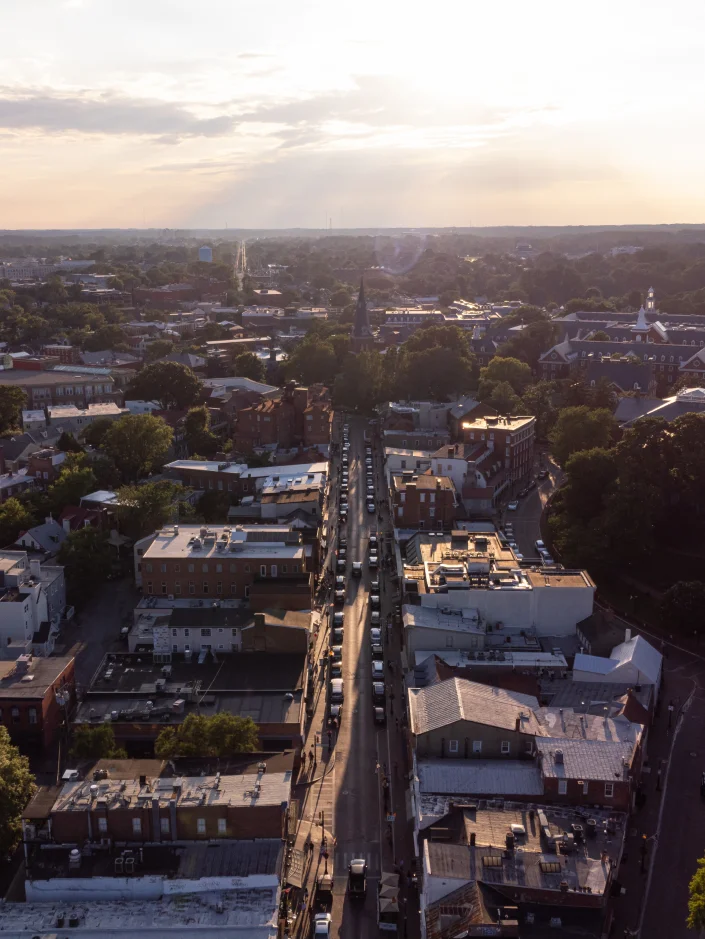
Aerial view of a city street lined with buildings and trees under a cloudy sky at sunset.