 Read Our Reviews
 Contact Us
Each time we publish a new article you can receive a notifcation and link. Its the best way to stay up to date with consumer law. Plus, you'll receive our monthly newsletter.
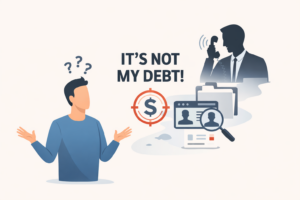
Sometimes a debt collector can’t clearly explain where the debt came from. Documents are missing, balances keep changing, or the calls won’t stop. Many consumers are pursued for wrongful debts, and recognizing the red flags early can make the difference between stopping the damage and living with it for years.
Not every debt collection effort is legitimate. Many wrongful collections stem from identity theft or debt buyers relying on incomplete/inaccurate information. Even so, collectors often push aggressively, assuming consumers won’t challenge them.
Debt collectors often cross the line by demanding payment without clearly identifying the original creditor. They’ll offer vague or inconsistent explanations about the debt. In other cases, they rush people toward payment or court deadlines while avoiding requests for documentation. These tactics aren’t accidental. They are designed to pressure consumers into compliance before questions are asked. If a collector can’t clearly prove that the debt actually belongs to you, that’s not a small technical issue. It’s a legal one; it’s debt collection harassment.
A collection effort may be wrongful if:
Many wrongful collection cases trace back to debt purchasers. These companies buy large portfolios of charged-off debt for pennies on the dollar. These records are frequently incomplete and outdated/just plain wrong. Rather than verifying each account, debt buyers often rely on volume. They send mass letters and place repeated calls, and file lawsuits in bulk, knowing that many consumers won’t respond. If no one pushes back, they may obtain a default judgment, not because the debt was proven, but because it went unchallenged.
If you’re facing a collection that doesn’t seem right, especially one involving a large balance or a pending lawsuit, it’s important to act before the situation escalates. The longer a wrongful collection goes unchallenged, the more damage it can do to your credit and financial future.
You don’t have to accept a debt simply because someone says you owe it. If the collection is wrongful, the law gives you tools to fight back.