 Read Our Reviews
 Contact Us
Each time we publish a new article you can receive a notifcation and link. Its the best way to stay up to date with consumer law. Plus, you'll receive our monthly newsletter.
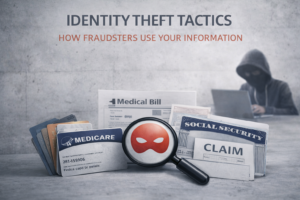
If you’re being chased for medical bills that don’t make sense, or don’t belong to you, you’re not imagining things. Medical identity theft is one of the fastest-growing forms of fraud in the country, and it leaves victims facing wrongful medical debt and relentless collection efforts.
Medical debt fraud usually begins when someone gains access to your personal information. That can include your Social Security number, health insurance ID, Medicare information, etc. Fraudsters use that information to obtain medical services or insurance coverage in your name.
The bills don’t show up right away. Most of the time, victims only discover the fraud when collections begin, insurance claims are denied, or their credit report suddenly reflects medical debt they don’t recognize.
Medical providers and insurers often rely on automated systems without critical oversight, and if the account matches your name or identifying information, it may be treated as valid.
Debt buyers can worsen the problem. Medical debts are frequently sold in bulk, with limited documentation. Collectors may continue pursuing payment even when the debt results from identity theft, counting on the victim to give up or pay just to make the problem stop. Being contacted about medical debt does not mean the debt is legitimate; it often means no one has been forced to verify it.
There are warning signs; you may see bills for providers you’ve never visited, charges for procedures you didn’t undergo, or balances that don’t match your records. Insurance explanations of benefits may list unfamiliar dates/locations/services. When collectors cannot clearly explain the origin of the debt or provide complete documentation showing that the charges belong to you, it’s a clear red flag.
Fighting medical debt fraud requires more than disputing a bill and hoping for the best. Victims often need to take proactive steps to stop the damage. That can include demanding itemized billing records, challenging inaccurate credit reporting, and forcing collectors to prove the debt is valid and legally enforceable. When identity theft is involved, victims have rights under federal law that require businesses and collectors to cooperate and correct the record.
Medical debt fraud turns victims into defendants through no fault of their own. But the law provides tools to fight back and to hold collectors accountable when they pursue debts that don’t belong to you.
If you’re being chased for medical debt caused by identity theft, you don’t have to face it alone.