 Read Our Reviews
 Contact Us
Each time we publish a new article you can receive a notifcation and link. Its the best way to stay up to date with consumer law. Plus, you'll receive our monthly newsletter.
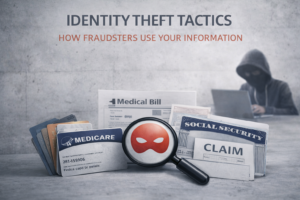
Each fall, Medicare’s open enrollment period begins, and scammers go to work. They call, text, and send official-looking mailers, all promising to “help you update your coverage” or “secure your new Medicare card.” Behind the polite tone and false urgency lies a more serious crime: identity theft.
Medicare scams are designed to harvest personal information — your Medicare number, Social Security number, and birth date — the exact details criminals need to steal your identity.
Scammers understand timing. During Medicare enrollment periods, when legitimate plan updates are happening, people expect to receive calls or mail about coverage options. Fraudsters exploit that expectation by posing as Medicare representatives, insurance agents, or “benefits coordinators.”
They’ll say you need to “verify your information” to keep your benefits active, or that you’ve qualified for new coverage. Once you share your Medicare number, they can use it to:
From there, identity theft spreads fast. False claims can appear on your Medicare statement, unfamiliar providers may show up on your record, and new accounts may appear on your credit report.
The open enrollment window between October and December is prime time for scammers. Seniors are reviewing plan changes and taking calls from insurance providers. It’s the perfect cover.
Fraudsters take advantage of confusion and urgency. They’ll threaten that your benefits will lapse if you don’t “act now,” or they’ll promise “new cost savings” that require you to confirm your personal details. The more official they sound, the more convincing the scheme becomes.
Once your identity is stolen, scammers can bill thousands of dollars in fake medical charges, create false entries in your medical history, or use your data to commit broader fraud; this can lead to doctors denying care, pharmacists questioning prescriptions, or Medicare rejecting valid claims because your benefits appear “maxed out.”
An experienced identity theft lawyer can investigate the fraud, stop debt collection tied to false claims, demand corrections to your medical records, and help you submit disputes regarding your credit reports. They can also push for accountability from banks and large corporate actors when negligence or regulatory failures allowed scammers to access your data.
Medicare scams and identity theft often move hand in hand, and they thrive on confusion during enrollment periods. Staying alert and skeptical is your best defense.
If you believe Medicare scammers have targeted you and are now a victim of identity theft, please contact our team today.
You have rights — and help is available.