
The panels are already on the roof. The loan is already reported on your credit. The savings you were promised never showed up, or the system never produced anything at all, or you are looking at a contract with your name on it that you do not remember signing.
The salesperson has stopped returning calls. The installer says to talk to the finance company. The finance company says it only lent the money and is not responsible for what happened before.
That last answer is the one homeowners find most discouraging, and it is the one most likely to be wrong. You may have just become a victim of a solar panel financing scam.
What You May Have Experienced
The conduct that gives rise to these cases is remarkably consistent.
“Free” or “no-cost” solar. There is no free solar. There is a twenty-to-twenty-five-year loan, a lease, or a power purchase agreement. If you were told the system would cost you nothing and later discovered a $60,000 obligation, the distance between those two statements is the case.
Savings that never materialized. Production estimates built on optimistic assumptions, escalator clauses buried in the payment schedule, and comparisons against utility rate increases that were never going to happen. Many homeowners end up paying both the loan and the electric bill.
Tax credits you could not use. Federal and state incentives have eligibility requirements. A homeowner with little or no tax liability may not be able to claim a credit the salesperson counted on when quoting the monthly payment. Some loans are structured to reprice sharply if a credit the borrower never receives is not applied to principal within a set window.
Manufactured urgency. Incentives expiring tonight, a neighborhood allocation almost full, a price good only today. Real programs do not vanish overnight.
Claimed government or utility affiliation. Nobody is sent by the power company or a state program to sign homeowners up on their doorstep.
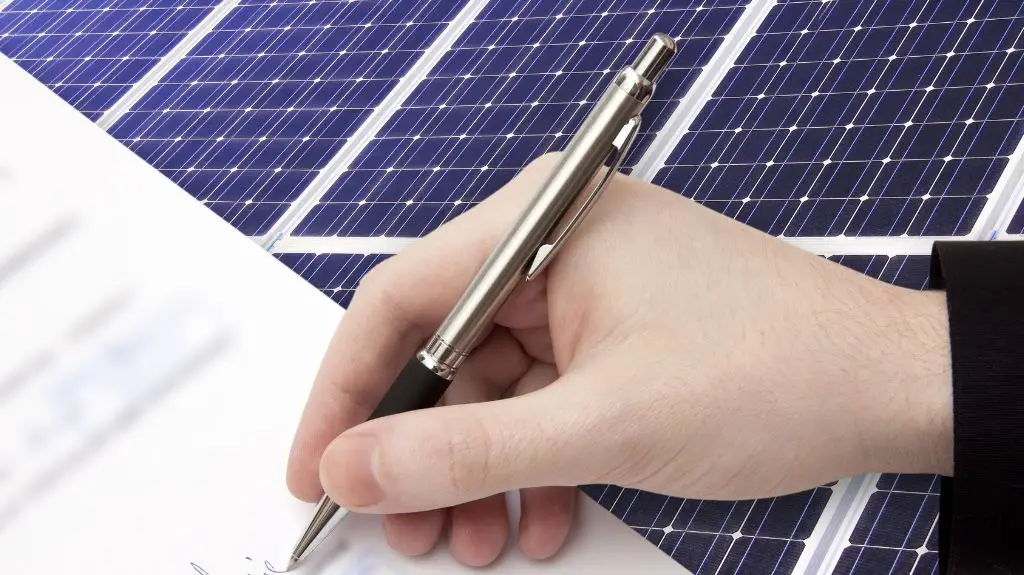
No meaningful chance to read anything. Long agreements presented on a tablet, scrolled quickly, signed under pressure, with the actual terms emailed afterward if at all.
Forged signatures. In some cases, bad actors will sign documents without your knowledge or consent in order to close a deal. If this describes your situation, the agreement is not only a bad deal, but it may be void, and separate claims may exist for the unauthorized credit pulls that made it possible.
The Harm Is Usually Broader Than the Contract
Homeowners tend to focus on the monthly payment. The damage is generally wider than that.
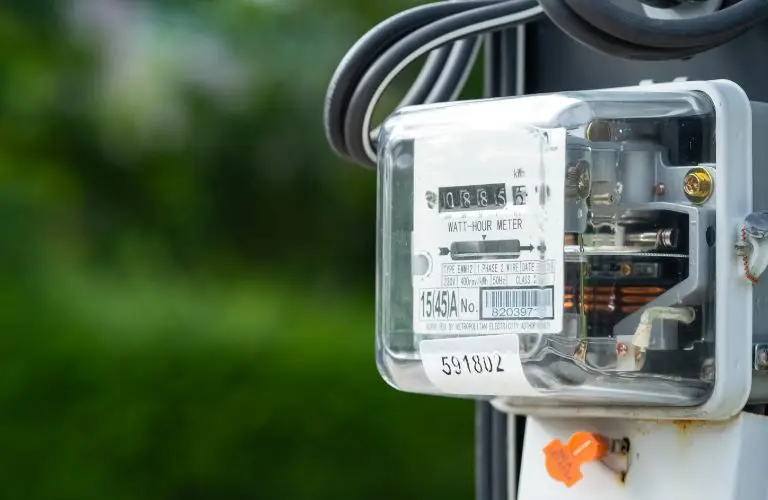
The system may not work. Installations that were never permitted or never interconnected with the utility produce nothing while the payments come due anyway.
The roof may be compromised. Mounting hardware penetrates shingles and sheathing. If the system has to come off, roofing materials frequently have to be replaced along with it.
The property may be encumbered. Financing statements recorded against the home have to be resolved before it can be sold or refinanced.
Your credit is affected. The loan is reported to the bureaus regardless of whether the system ever performed, distorting your debt-to-income ratio and every credit application that follows.
The stress is real. Sleep loss, anxiety, and strained family relationships are common. Several of the statutes that apply here recognize emotional distress as a compensable harm.
How a Solar Attorney Can Help
Courts in these cases can do more than award money. Depending on the facts, a court may declare a loan agreement void, order a lender to terminate a financing statement clouding the property, and award damages for the credit harm, the property damage, and the emotional distress that accompanied it.
If you were misled into a solar agreement, if a system was installed that does not do what you were promised, or if a loan appeared in your name that you never authorized, contact our team for a review of your case.