


In a recent unpublished but instructive decision, the Fourth Circuit in Roper v. Oliphant Financial, LLC, No. 24-1933 (4th Cir. July 23, 2025), affirmed the District of Maryland’s denial of a debt buyer’s motion to compel arbitration. The case serves as a critical reminder for consumer protection lawyers litigating time-barred debt claims: initiating collection litigation…

In Maryland, landlord-tenant relationships are shaped by consumer protection laws. The laws safeguard renters’ rights to safe and livable housing. Here’s a recap of what protections tenants can expect as of the new legislation passed in July of 2025: The Maryland Tenant Mold Protection Act On July 1, 2025, the Maryland Tenant Mold Protection Act…

Credit card fraud can strike anyone, and when it does, you expect your bank to be your ally. But what happens when your bank refuses to help? That’s exactly what one Maryland consumer experienced, as documented in the 2024 Consumer Complaint Survey Report. There’s a growing need to protect everyday people from financial institutions that…
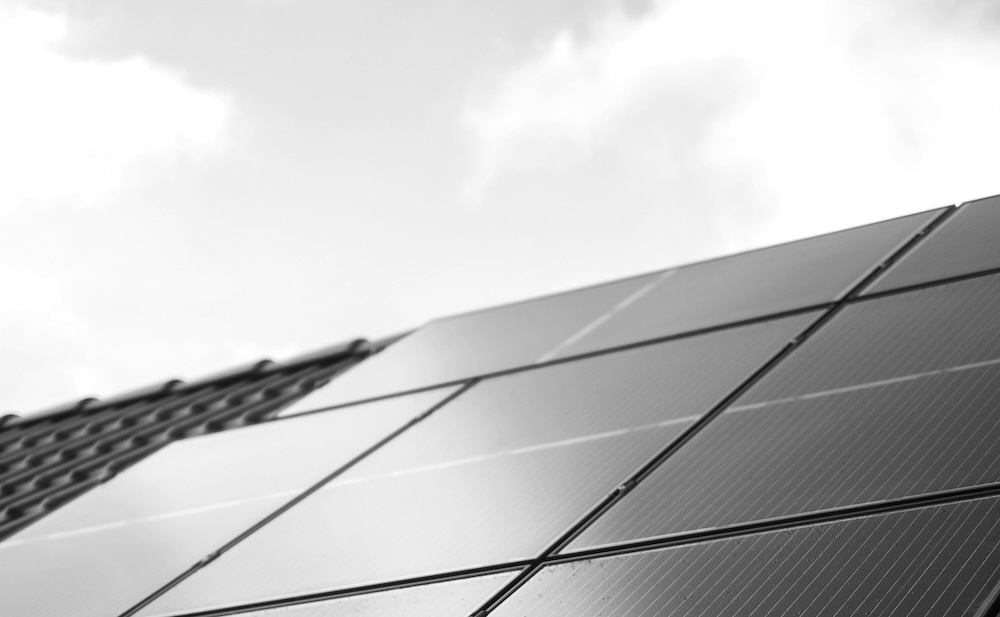
Solar energy has become more affordable and more popular than ever—but unfortunately, so have the scams. And in 2025, solar scams are taking a new, concerning turn: targeting elderly homeowners who may be less familiar with evolving technology and high-pressure sales tactics. A recent investigative feature in The American Prospect confirms how scam artists are…

You open your mail and see something alarming: a lawsuit. It’s from a company you don’t recognize, claiming you owe a debt from years ago. It might even be for an amount you don’t remember or have already paid. If this sounds familiar, you’re likely being sued by a debt buyer. Don’t panic, but don’t…
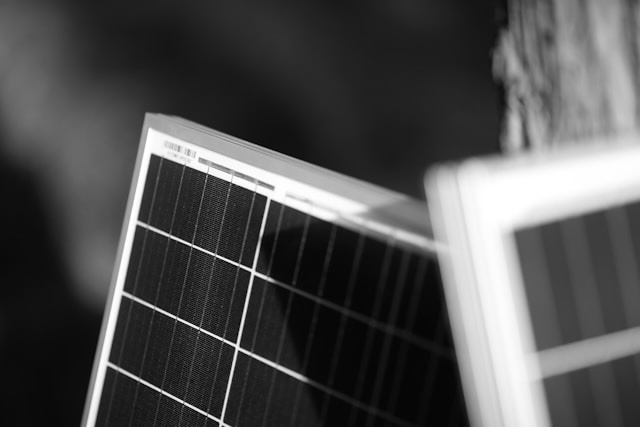
The promise of clean energy and lower electric bills has made solar panels/solar array systems an appealing investment for millions of homeowners. But as the industry grows, so does the dark side of it: solar scams. From misleading contracts to fake installers, solar scammers are preying on consumers who just want to save money and…

Getting sick can be stressful, but dealing with confusing insurance claims, hospital bills, and unexpected charges can overwhelm anyone. It gets worse when medical debt collectors start calling nonstop, sending intimidating letters, or even contacting your family or employer; it can feel like you’re being harassed. And in some cases, you are. If you think…
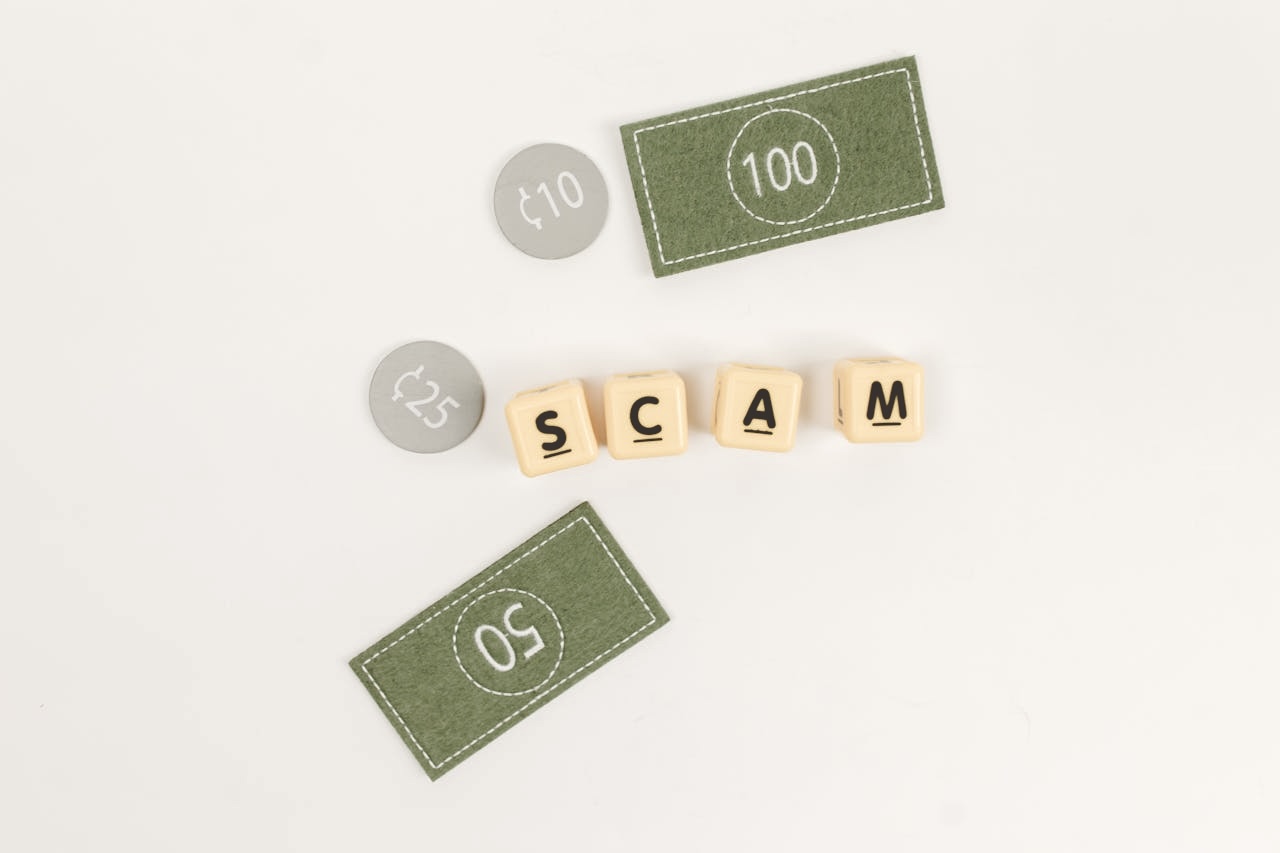
You work hard for your money. So when someone offers you an “exclusive opportunity” to make it grow quickly, it’s tempting to say yes. But not every offer is what it seems. In fact, investment scams are some of the most financially devastating forms of fraud in the U.S., with Americans losing over $5.7 billion…

You did everything right. You spotted an error on your credit report. It may be a delinquent account that isn’t yours or a loan you never took out. You followed the proper dispute process, submitted the documents, and waited patiently for the credit bureaus to fix it. But the error stayed. If this sounds familiar,…
You answer your phone and hear, “You owe a debt and we’re collecting.” Your heart skips a beat. Maybe you’ve missed a payment or forgotten about an old account. Or maybe, just maybe, your instincts are setting off alarm bells, and something feels off. In the age of robocalls and ever-present telemarketing scams, how can…